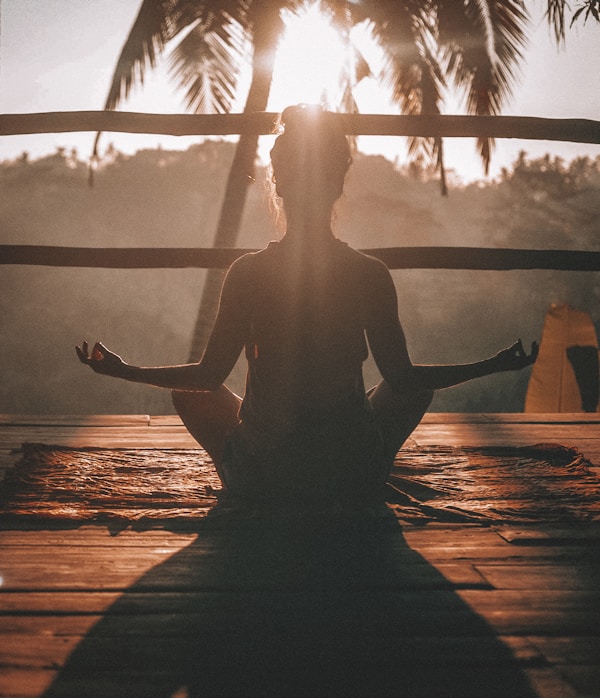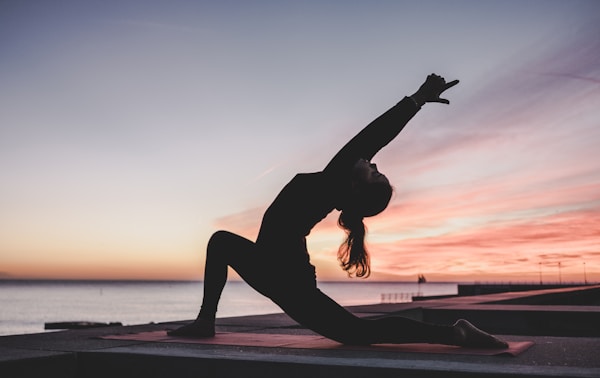
Yoga offers something increasingly rare in modern life: a practice that strengthens the body, quiets the mind, and opens the spirit—all through the simple medium of conscious movement. If you are new to yoga, you might feel intimidated by flexible practitioners twisting themselves into pretzel shapes. Rest assured: yoga is for every body, at every level of fitness and flexibility. The poses described here form the foundation upon which your entire practice will be built.
Unlike exercises that merely target physical outcomes, yoga integrates body, breath, and awareness. Each pose is an opportunity to cultivate presence, observe sensation, and find ease within effort. This integration is what distinguishes yoga from mere stretching or strengthening. As you learn these foundational poses, focus not on achieving perfect form but on the quality of your attention and the relationship between your effort and your breath.
Mountain Pose (Tadasana)
Mountain pose might seem deceptively simple—standing upright with feet together or hip-width apart. Yet it forms the foundation for all standing poses and reveals much about your habitual posture. Many people discover asymmetries, habits of leaning, or chronic tension when they bring full attention to this basic standing position.
Stand with feet hip-width apart, weight evenly distributed across both feet. Engage your thighs, lift your kneecaps slightly, and lengthen your tailbone toward the floor. Draw your shoulder blades back and down your back, arms relaxed at your sides with palms facing forward. Crown of the head reaches toward the ceiling, creating length through your spine. Breathe steadily and find your center of balance.
Downward-Facing Dog (Adho Mukha Svanasana)
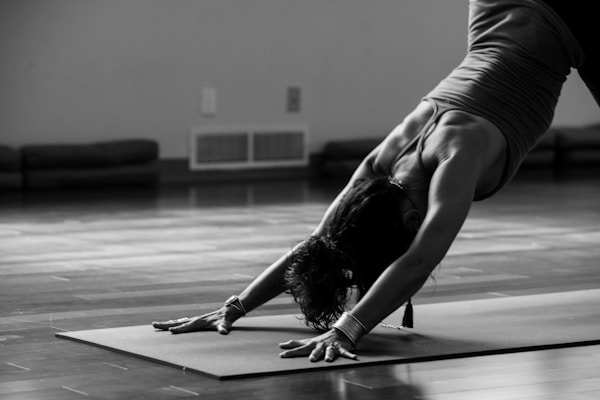
Downward dog is one of yoga's most recognizable poses and serves as both a resting pose and a strengthening pose. It stretches the shoulders, hamstrings, calves, and hands while building strength in the arms and legs. Learning to execute this pose correctly will serve you throughout your practice.
From all fours, tuck your toes and lift your hips up and back, forming an inverted V shape. Press your hands firmly into the floor, spreading your fingers wide. Rotate your upper arms externally, keeping your shoulders away from your ears. Let your head hang freely between your upper arms. Keep your knees slightly bent if your hamstrings are tight, and walk your feet gradually closer as flexibility increases.
Warrior I (Virabhadrasana I)
Warrior I builds strength in your legs and opens your hips and chest while cultivating focus and groundedness. The warrior poses embody the energy of determination and strength—appropriate qualities for a yoga practice that asks us to meet challenge with steadiness.
From mountain pose, step your left foot back about four feet, turning it slightly outward. Bend your right knee to 90 degrees, keeping the knee directly over the ankle. Square your hips toward the front of your mat. Raise your arms overhead, palms facing each other or touching. Lift your chest, draw your shoulders down, and gaze forward or slightly upward. Repeat on the other side.
Warrior II (Virabhadrasana II)
Warrior II develops concentration and mental stability while strengthening the legs and opening the hips. The gaze over your front hand develops the focused attention that carries into meditation practice.
From mountain pose, step your feet wide apart—about four feet. Turn your right foot out 90 degrees and left foot in slightly. Extend arms parallel to the floor, palms down. Bend your right knee to 90 degrees, keeping it over your ankle. Turn your head to gaze over your right fingertips. The torso remains upright and centered between the legs. Repeat on the other side.
Tree Pose (Vrksasana)
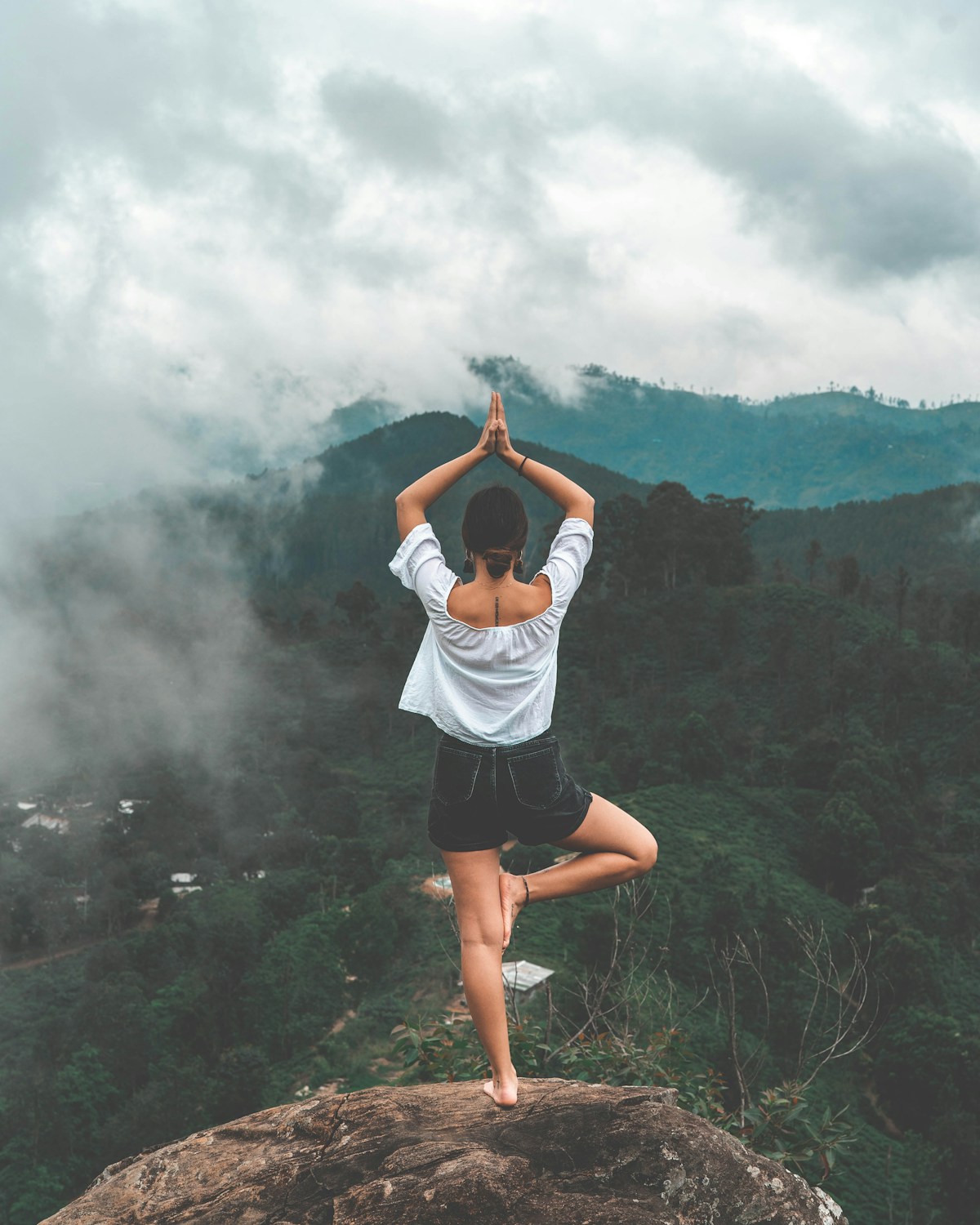
Tree pose develops balance and concentration while strengthening the legs and opening the hips. Learning to balance on one leg cultivates mental focus that transfers to all areas of life.
Begin in mountain pose. Shift your weight onto your left foot. Place the sole of your right foot on your inner left thigh or calf—avoid placing it directly on the knee. Bring your hands to prayer position at your heart, or extend them overhead. Find a focal point (drishti) to help maintain balance. Hold for several breaths, then repeat on the other side.
Child's Pose (Balasana)
Child's pose provides a resting position whenever you need to pause during practice. It gently stretches the hips, thighs, and ankles while calming the mind. Do not hesitate to use it whenever a pose feels challenging or you need recovery time.
Kneel on the floor with big toes touching and knees wide. Sit back on your heels. Fold forward, bringing your forehead to the floor and extending your arms in front of you or alongside your body. Let your entire torso relax. Breathe into your back body, feeling each exhale release you deeper into the pose.
Related Articles
Continue your yoga journey with Daily Yoga Routine for Flexibility to build a consistent practice, and Yoga for Stress Relief for poses that specifically address tension and anxiety.