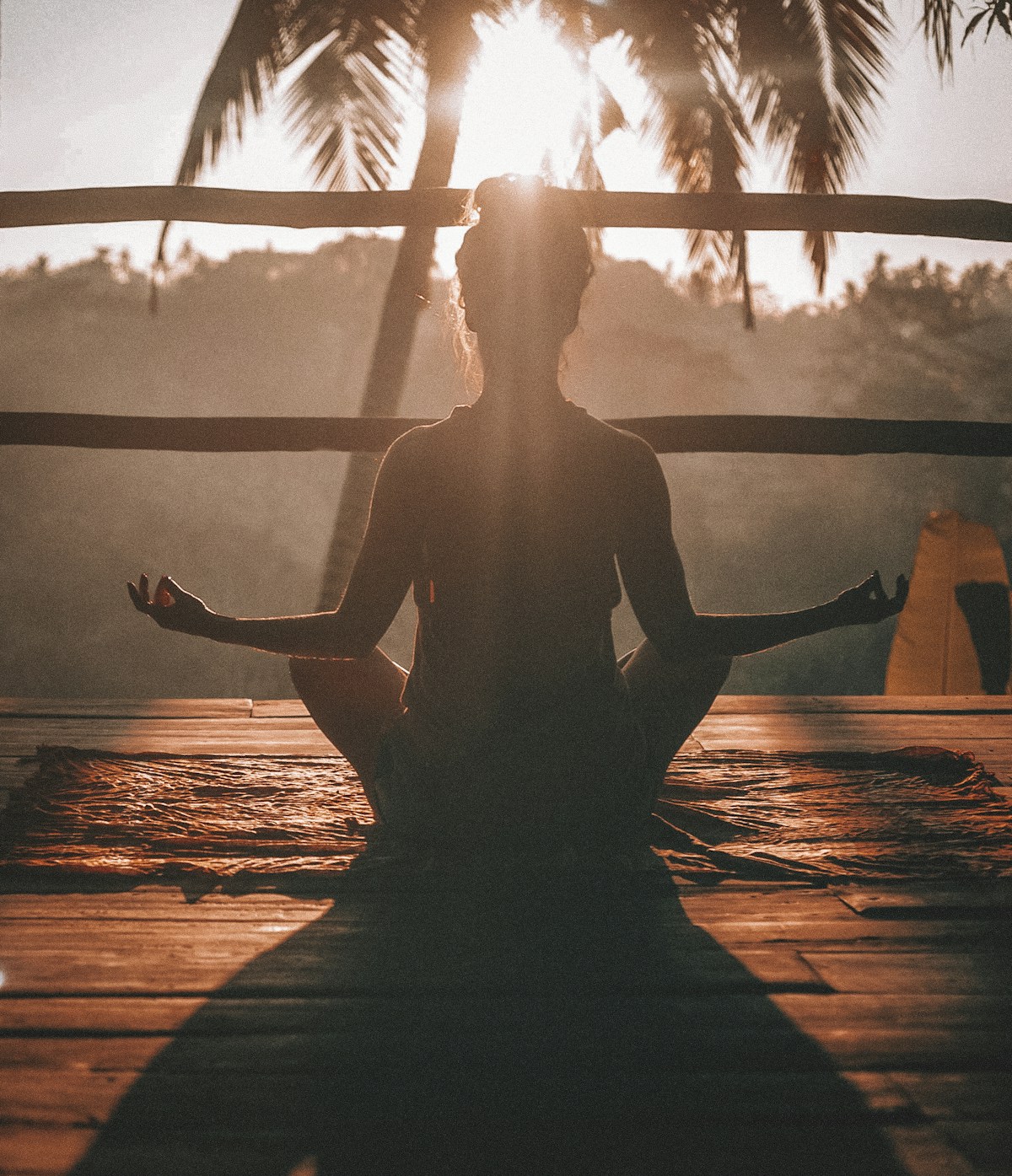
The way we begin our mornings sets the tone for our entire day. In our fast-paced modern world, where notifications ping, deadlines loom, and schedules overflow, taking time for stillness might seem like a luxury we cannot afford. Yet it is precisely in those quiet morning moments that we find the foundation for clarity, purpose, and peace that carries us through every challenge ahead.
Morning meditation is one of the most transformative practices you can adopt for your mental, emotional, and physical well-being. Unlike the reactive mode we often slip into throughout the day, morning meditation allows us to approach life from a place of intention rather than reaction. When we meditate first thing in the morning, before the world has a chance to fill our minds with its demands, we create a sacred bubble of peace that we carry with us.
Why Morning Meditation Changes Everything
Research consistently shows that the brain is in a unique state in the early morning hours. The pineal gland produces higher levels of melatonin, creating a natural gateway to deeper states of consciousness. Additionally, cortisol levels are naturally higher upon waking, providing an alert yet calm energy that supports focused practice.
When you meditate in the morning, you are essentially programming your nervous system for the day ahead. Just as a computer boots up with certain default settings, your mind and nervous system adopt the patterns you establish during this formative period. A calm, centered morning practice sends ripples of peace throughout your entire day.
Clients who have incorporated morning meditation into their routines consistently report improvements in their ability to handle stress, make thoughtful decisions, respond rather than react to challenges, and maintain emotional equilibrium throughout the day. Some describe it as having an anchor—a stable point of calm that remains accessible even in the storm of daily life.
Preparing Your Space and Setting
Your meditation environment significantly influences your practice. You do not need a dedicated meditation room or expensive cushions—simply a quiet corner where you will not be disturbed for the duration of your practice.
Choose a spot with soft, natural lighting if possible. Early morning light streaming through a window creates an ideal atmosphere. If you meditate before dawn, consider lighting a candle or using a small lamp with a warm glow. The goal is to create an environment that signals to your body and mind that this is a time for stillness and inner focus.
Temperature matters more than most people realize. Your body naturally cools during meditation as metabolism slows, so ensure the room is comfortably warm. Have a blanket nearby in case you need additional warmth. Wear loose, comfortable clothing that does not restrict your breath or circulation.
Gather whatever support items feel grounding: a cushion or chair for comfortable seating, a blanket, perhaps an object with personal significance—a smooth stone, a flower, an image that brings peace. These are not necessities, but they can help transition your mind from the busyness of daily life into the stillness of meditation.
Creating a Pre-Meditation Ritual
Before you begin formal meditation, create a brief transition ritual. This might include turning off your phone, making a small cup of herbal tea, writing in a journal for five minutes, or simply sitting quietly while taking several deep breaths. This ritual acts as a bridge, helping your nervous system shift from the scattered energy of daily life into the focused calm of meditation.
Simple Meditation Techniques for Beginners
For those new to meditation, starting with simple techniques builds confidence and establishes the neural pathways that support longer, deeper practice. Here are several approaches perfect for morning meditation beginners.
1. Breath Awareness Meditation
This foundational technique involves simply observing your breath without trying to control or change it. Find a comfortable seated position with your spine relatively straight but not rigid. Close your eyes or soften your gaze downward. Take three deep breaths to settle yourself, then allow your breathing to return to its natural rhythm.
Notice the sensation of breathing—the cool air entering your nostrils, the warmth of the exhale, the gentle rise and fall of your chest and belly. When your mind wanders (and it will—that's completely normal), gently note where it went and return your attention to the breath. Each return to breath is a rep in the gym of consciousness, strengthening your capacity for presence.
Start with five minutes and gradually extend as your practice deepens. Many practitioners find that using a timer helps them relax into the practice without watching the clock.
2. Body Scan Meditation
The body scan practice systematically brings awareness to different parts of the body, releasing tension and cultivating a deep mind-body connection. Beginning at the top of your head, slowly move your attention downward through your body: scalp, forehead, eyes, nose, mouth, jaw, neck, shoulders, arms, hands, chest, abdomen, hips, legs, and feet.
At each area, simply notice any sensations without judgment. You might discover areas of tension you were unaware of or unexpected sensations of warmth, tingling, or ease. This practice is particularly valuable in the morning as it helps you arrive fully in your body after the dissociative state of sleep.
3. Loving-Kindness Meditation
Also known as Metta meditation, loving-kindness practice involves silently repeating phrases of goodwill directed toward yourself and others. Starting with yourself—"May I be happy, may I be healthy, may I be at peace"—then gradually extending to loved ones, neutral persons, difficult individuals, and eventually all beings.
This practice is especially powerful in the morning as it generates positive emotion and opens the heart before engaging with the day. Research shows that loving-kindness meditation increases feelings of social connection and reduces implicit bias, making it a wonderful complement to morning meditation.
Overcoming Common Morning Meditation Challenges
Most beginners encounter similar obstacles. Understanding these challenges and having strategies to address them can mean the difference between a sustainable practice and one that fizzles out after a few weeks.
The most common challenge is simply finding the time. Mornings are often the busiest part of the day, and it can feel impossible to carve out 10, 15, or 20 minutes for meditation. I recommend placing your meditation before other morning activities—before checking your phone, before making breakfast, before anything else. Treat it as an appointment with yourself that cannot be moved.
Drowsiness or falling asleep during morning meditation is common, especially if you are not fully awake. If this happens, try meditating in a seated position rather than lying down. Open your eyes slightly, or splash cold water on your face before sitting down. Sometimes gentle rocking or humming can help maintain alertness while still preserving the meditative state.
Restless thoughts are perhaps the most misunderstood challenge. Beginners often believe that meditation means having a completely empty mind, and when they cannot achieve this, they feel they are doing it wrong. In fact, the practice is not about stopping thoughts but about developing a different relationship with them. You are learning to observe thoughts without being swept away by them, to return to presence again and again.
Building a Sustainable Morning Practice
The difference between a meditation practice that sticks and one that fades lies in how you approach it. Here are principles that support lasting change.
Start smaller than you think you need to. Five minutes of consistent practice will serve you better than twenty minutes of sporadic effort. You can gradually increase duration as the practice becomes established, but begin with something so manageable that it would be ridiculous not to do it.
Create accountability. This might mean joining a meditation group, using an app that tracks your streak, or simply telling someone about your practice. External accountability provides support during the inevitable days when motivation wanes.
Be gentle with yourself on the difficult days. Some mornings you will sit down and experience profound stillness; other mornings your mind will race uncontrollably. Both experiences are valuable, and neither indicates success or failure. The willingness to show up each morning, regardless of how the practice unfolds, is itself the essence of the meditation.
Related Articles
If you found this introduction to morning meditation helpful, you might also enjoy exploring How to Start a Daily Meditation Practice for building a sustainable routine, or Mindful Breathing Techniques for Stress Relief to complement your morning practice. For those specifically looking to address sleep issues, Sleep Meditation for Better Rest offers evening practices that work beautifully with morning meditation.
The journey of a thousand miles begins with a single step, and your meditation journey begins with one breath, one moment of presence, one morning. Tomorrow morning, before the world demands your attention, give yourself the gift of stillness. Your future self will thank you.